Do challenge coins hold real value, or are they just collectible trinkets? For many, these coins are cherished mementos, but could they also be a financial investment?
In this article, we will explore whether challenge coins are worth money and what factors affect their value. You’ll learn how rarity, history, and condition impact the price of these unique tokens.
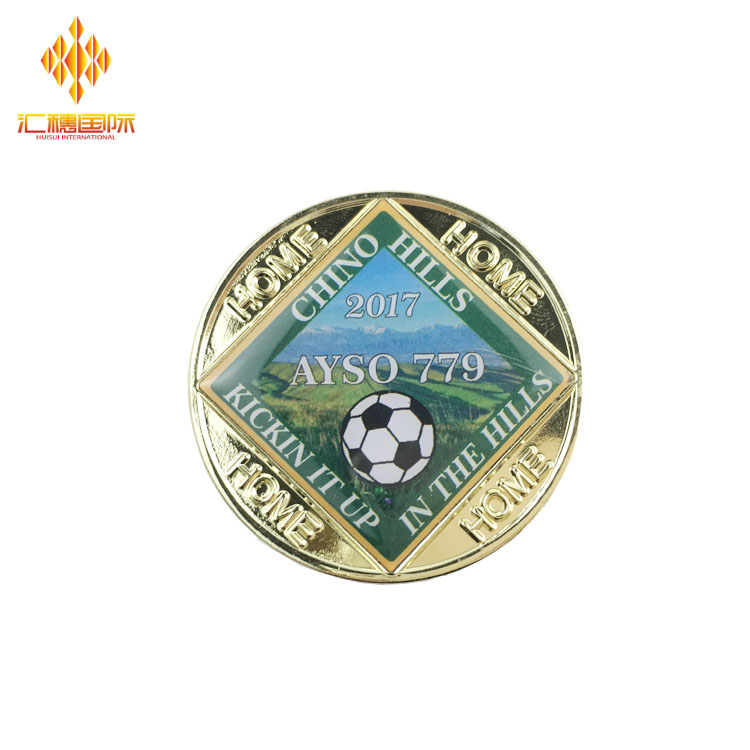
1.Understanding Challenge Coins and Their History
The Origin of Challenge Coins
The history of challenge coins dates back to ancient times. One account suggests that they originated in the Roman Empire, where soldiers were awarded coins to commemorate their achievements. Later, during the Renaissance, coins became symbols of royalty and were exchanged as gifts. By the 17th century, Huguenot Protestants used these tokens to recognize each other during religious wars in France.
In the United States, challenge coins became widely popular during the First and Second World Wars. These coins were not only used to honor service members but also served as identification tokens. During World War I, a U.S. soldier is said to have used a challenge coin to identify himself and avoid execution after being captured by the Germans. Since then, military units, law enforcement, and even corporations have adopted the tradition of issuing challenge coins.
Evolution of Challenge Coins
Over time, challenge coins evolved from military insignia to being recognized in various sectors. Today, these coins are issued by military branches, law enforcement, and even companies to commemorate achievements, services, or milestones. The designs of challenge coins have become more intricate, with personalized logos, emblems, and messages that reflect the issuing organization’s values.
Modern Use of Challenge Coins
Today, challenge coins are used widely in the military, law enforcement, and other organizations to recognize exceptional service. They are issued to symbolize unity and honor. In addition to the military, first responders, fire departments, and private businesses often use challenge coins as a symbol of belonging and achievement. While challenge coins have become collectors’ items, they still hold sentimental value for those who receive them, representing a shared experience and camaraderie.
2.Factors that Influence the Value of Challenge Coins
Physical Characteristics
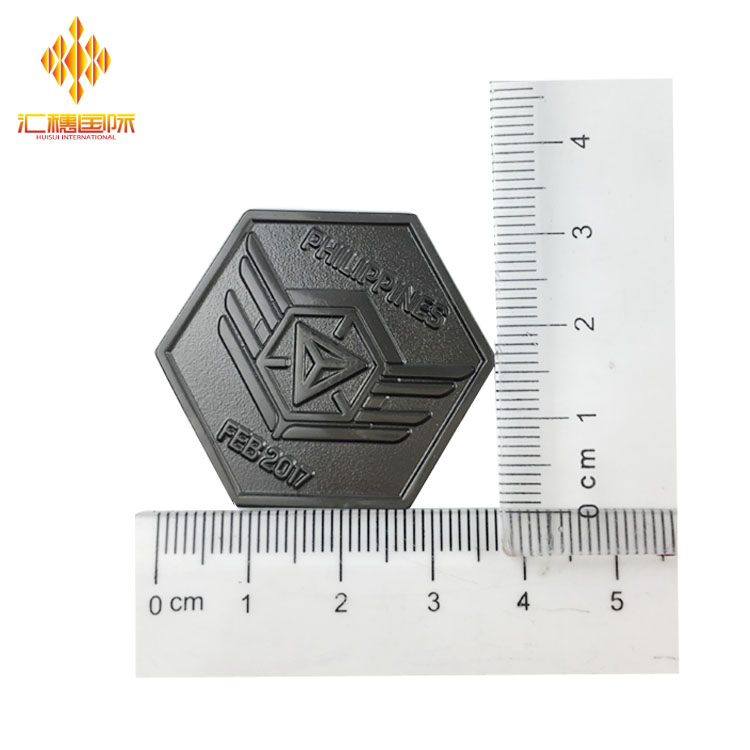
The value of a challenge coin is heavily influenced by its physical characteristics. The size, weight, and materials used play a crucial role in determining its cost. Coins made of high-quality materials, such as solid brass or precious metals, will generally have a higher value than those made from cheaper alternatives. The complexity of the design also adds to the cost; more detailed coins or those with multiple colors tend to be more expensive to produce.
For example, a challenge coin made with intricate designs and high-quality enamel will typically cost more than a plain, unembellished coin. Coins that feature rare materials or are limited edition also tend to attract higher prices.
Rarity and Scarcity
One of the key factors influencing the value of challenge coins is rarity. Coins that are produced in limited quantities or for specific occasions are often worth more than those that are mass-produced. The scarcity of a coin can make it more desirable to collectors, as limited editions are often seen as more unique and valuable.
For instance, coins issued by special military units or commemorating specific historical events are highly sought after. Conversely, challenge coins that are widely distributed and available in large numbers may not command high prices in the market.
Age and Historical Significance
Older challenge coins, especially those tied to significant historical events or milestones, tend to be more valuable. Coins that were produced during important moments in history—such as military campaigns or political events—carry a sense of nostalgia and historical weight. The age of a coin can make it more rare and desirable, increasing its value.
For example, a challenge coin issued by the U.S. military during World War II would likely be worth more than a newer coin from a current military unit, simply due to its age and the historical context associated with it.
Popularity and Demand
The value of a challenge coin can also be influenced by the popularity of the issuing organization or event. For example, a coin issued by a high-profile political figure or a renowned military unit may fetch a higher price due to the public interest in that particular entity. As demand for certain types of coins grows, so does their value.
Coins that commemorate major political events, such as a presidential election or an international summit, may become valuable over time as they become associated with significant moments in history.
3.Are Challenge Coins Worth Anything in the Market?
The Average Cost of Challenge Coins
While most challenge coins are not intended to be used as currency, they can still have value in the market. The price of a typical challenge coin ranges from $5 to $15, depending on its design and production costs. These coins are often sold in bulk for organizations or given away as commemorative gifts. However, their value is not necessarily tied to the cost of production, but rather to the demand for certain types of coins.
Factors That Increase Value in the Market
Several factors can increase the value of challenge coins in the market. Coins that have historical significance, limited availability, or unique designs are typically more valuable. For instance, challenge coins associated with famous military units or those with presidential endorsements are likely to command higher prices.
For example, a challenge coin issued by the CIA or a special Navy SEAL team might be sold for thousands of dollars, as these coins are both rare and linked to high-profile individuals or organizations.
Factor | Description | Impact on Value |
Physical Characteristics | Size, material, weight, and design complexity. | Higher-quality materials and intricate designs add value. |
Rarity and Scarcity | Limited edition or small production runs. | Fewer coins make them more valuable to collectors. |
Age and Historical Significance | Coins tied to important historical events or units. | Older and historically significant coins often have higher value. |
Popularity and Demand | Public interest in specific units or events. | Coins linked to famous individuals or organizations increase in value. |
Case Studies: High-Value Challenge Coins
Some challenge coins have sold for extraordinary amounts due to their rarity and historical significance. For example:
These examples demonstrate that challenge coins tied to specific events, military units, or high-ranking individuals can fetch considerable sums.
Challenge Coin Example | Estimated Value | Reason for High Value |
Speaker of the House of Representatives Coin | $7,500 | Commemorates high-profile political figures. |
U.S. Navy Group Gold Squadron Coin | $3,750 | Tied to a special warfare unit with limited availability. |
CIA Russia House Program Coin | $3,000 | Linked to intelligence history during the Cold War. |
U.S. Navy Group Black Squadron Coin | $3,250 | Rare, issued by a specialized military unit. |
The Role of Condition and Preservation
The condition of a challenge coin is also an important factor in determining its market value. Coins that are in pristine condition, with no signs of wear or damage, will typically sell for more than those that have been tarnished or damaged. For collectors, the rarity of a coin combined with its excellent condition can result in a substantial price increase.
4.The Emotional and Sentimental Value of Challenge Coins
Beyond Money: Honor, Unity, and Tradition
For many, the true value of challenge coins lies in their emotional and sentimental significance. While they may not have a high monetary value, these coins are symbols of honor, achievement, and belonging. Receiving a challenge coin often signifies membership in an exclusive group or recognition for extraordinary service.
Many military members, law enforcement officers, and first responders view their challenge coins as priceless tokens that represent their dedication and sacrifices. These coins embody shared experiences and camaraderie, making them irreplaceable in terms of emotional worth.
Collecting Challenge Coins as a Hobby
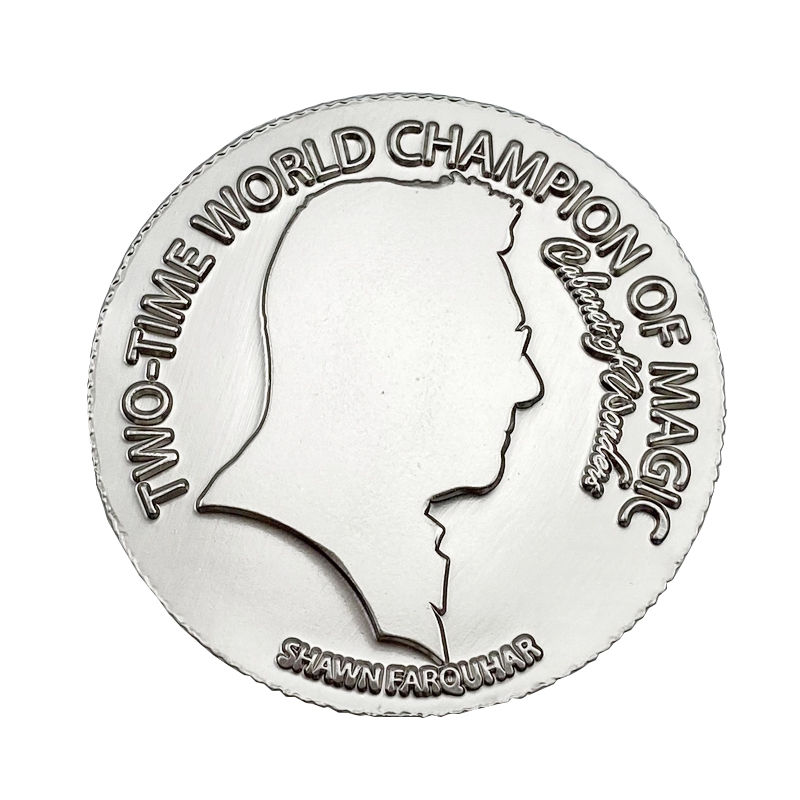
For others, challenge coin collecting is a rewarding hobby. Collectors enjoy seeking out rare and unique coins, often driven by a passion for history and military memorabilia. The thrill of finding a rare coin or completing a collection adds a layer of excitement and fulfillment. For these collectors, the value of challenge coins goes beyond money and into the realm of personal enjoyment and connection to history.
5.How to Determine the Value of Your Challenge Coin
Researching the Coin’s Origin
If you are unsure about the value of a challenge coin, start by researching its origin. Determine which organization issued the coin, its historical context, and any special features or markings that may increase its value. Many coins feature logos, emblems, or dates that can help you trace their history.
Consulting Experts and Appraisers
For rare or valuable coins, consider consulting experts or appraisers who specialize in challenge coins. These professionals can provide a detailed analysis of the coin’s worth based on factors such as rarity, condition, and historical significance.
Online Auctions and Marketplaces
Many rare challenge coins are sold through online auctions or marketplaces, where you can compare prices and gauge demand. Platforms like eBay are popular for buying and selling challenge coins, offering a wide range of options for collectors.
6.Buying and Selling Challenge Coins: A Guide for Collectors
How to Buy Challenge Coins
When purchasing challenge coins, always buy from reputable sources. Look for dealers or platforms with a strong reputation for selling authentic and high-quality coins. Verify the seller’s credibility and ensure that the coins are genuine before making a purchase.
Selling Challenge Coins: Tips for Maximizing Value
If you are looking to sell a challenge coin, make sure it is in excellent condition. Clean it carefully, but avoid over-polishing, which can damage the coin’s surface. Consider selling through online auctions or specialized coin marketplaces, where collectors are actively seeking rare and valuable coins.
Common Pitfalls to Avoid
Be wary of counterfeit coins, as the market for rare challenge coins has led to an increase in forgeries. Always do thorough research and seek expert advice before buying or selling a coin, especially if it has significant historical or financial value.
Conclusion
Challenge coins can be worth money depending on factors like rarity, history, and condition. Coins tied to specific events or military units often have the highest value. In addition to their market value, these coins hold sentimental and historical significance for many collectors.
For those looking to acquire or create high-quality challenge coins, Huisui International Industrial ltd offers a range of products that provide excellent value. Their commitment to craftsmanship ensures that every coin produced meets the highest standards, making them a valuable choice for collectors and organizations alike.
FAQ
Q: Are challenge coins worth money?
A: Challenge coins can be valuable, especially if they are rare or tied to historical events or military units. Their worth depends on factors like rarity, age, and condition.
Q: How do I know if my challenge coin is worth money?
A: To determine if your challenge coin is worth money, check its rarity, condition, and any historical significance. Limited-edition or military-related coins are typically more valuable.
Q: Why are some challenge coins so expensive?
A: Challenge coins with unique designs, historical connections, or those produced in limited quantities tend to be more expensive. Military and commemorative coins often fetch higher prices.
Q: Can challenge coins be used as currency?
A: No, challenge coins are not considered legal tender and cannot be used as currency. They are collectibles or symbols of achievement and unity.
Q: What factors increase the value of challenge coins?
A: Factors such as rarity, condition, historical significance, and limited production runs can all increase the value of challenge coins. Coins associated with prominent organizations or events are often more valuable.