Introduction
Lapel pins have a fascinating history, extending far beyond their role as fashion accessories. Have you ever wondered about the hidden messages behind these small pins?Lapel pins symbolize more than just style; they represent identity, pride, and belonging. From military ranks to political movements, these pins have been used across various sectors to express personal and societal values.
In this article, we will explore the meaning and history behind lapel pins. You will discover how these simple accessories have evolved into powerful symbols with deep cultural significance.
The Ancient Origins and Early Evolution of Lapel Pins
Ancient Civilizations and Early Uses
Lapel pins, or their early counterparts, can be traced back to ancient civilizations where they served both practical and decorative functions. In ancient Egypt and Rome, brooches, known as fibulae, were used to secure clothing, providing functionality while also offering an aesthetic appeal. These early forms were made from a variety of materials, such as metal, bone, or wood, and were integral to daily life.
As societies evolved, these functional objects became more symbolic. For example, in ancient Rome, fibulae were worn by soldiers as symbols of military rank and accomplishments. A soldier's pin could reflect their status, such as their level of rank or achievements on the battlefield. These pins were more than simple fasteners—they became prideful symbols of honor.
Medieval and Renaissance Adaptations
Throughout the Medieval period, brooches and pins became increasingly elaborate. Nobles and royalty adorned their clothing with intricate pins featuring gemstones and fine metals. These items transformed from functional to luxurious status symbols, showcasing the wealth and power of the wearer. Pins, especially during this time, were used as tokens of loyalty, familial ties, and even membership in specific social groups.
By the time the Renaissance era arrived, lapel pins and other accessories reflected the renewed interest in classical cultures. Artists and jewelers began to produce highly decorative designs, incorporating advanced techniques like enameling and precious stones. These items were not just for fashion—they were also used as symbols of political allegiance and social status, allowing wearers to visually express their identity and loyalty.
| Era/Period | Description | Key Features/Designs |
| Ancient Civilizations | Early use of brooches/fibulae in Egypt and Rome to fasten garments. | Functional, made of bone/metal/wood |
| Medieval Period | Brooches became luxurious, symbolizing status among nobles. | Elaborate designs, gemstones, and metals |
| Renaissance | Renewed interest in classical culture, intricate lapel pins as symbols of status. | Use of enameling, royal symbols |
| 18th & 19th Centuries | Rise of lapel pins as symbols of sophistication among the bourgeoisie. | Formal, elegant, associated with social mobility |
| 20th Century (WWI & WWII) | Increased use for patriotism and political campaigns. | Patriotic symbols, flag pins, military insignia |
How Lapel Pins Evolved in the 18th, 19th, and 20th Centuries
The 18th and 19th Centuries: Symbols of Status
In the 18th and 19th centuries, lapel pins evolved further as symbols of sophistication, often worn by the emerging bourgeoisie. These accessories were a marker of refinement and a tool for demonstrating social mobility. The pins, worn as part of formal attire, were a symbol of distinction during a time when social class divisions were prominent.
At the same time, lapel pins took on more specialized roles in military and political contexts. Military personnel began wearing pins that represented their regiments and ranks. Political figures and leaders wore lapel pins that signified their affiliations, achievements, and power. The growing popularity of pins among various social classes allowed lapel pins to evolve from practical accessories into emblems of identity and social standing.
The 20th Century: Political, Corporate, and Promotional Uses
The 20th century saw lapel pins become more mainstream, particularly in political and corporate environments. During both World Wars, civilians and soldiers alike wore lapel pins to demonstrate support for the war effort and national pride. Patriotic symbols, such as the American flag or military insignia, became widely recognized and associated with solidarity and collective action.
In the corporate world, lapel pins began being used for branding purposes. Companies distributed pins featuring their logos, often as a form of employee recognition or corporate promotion. Politicians and political campaigns also adopted lapel pins, using them to rally support, raise awareness for causes, and increase voter engagement. These pins played a crucial role in identity-building, personal connection, and public outreach.
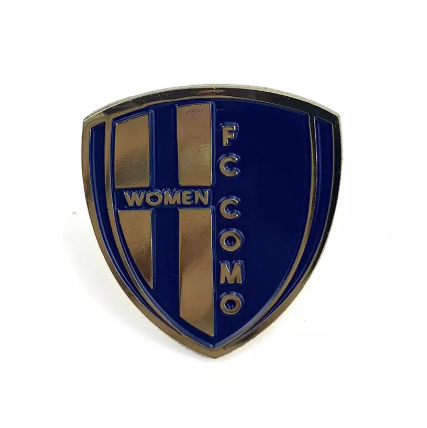
The Powerful Symbolism Behind Lapel Pins
Political Symbols and Expression
Lapel pins are heavily used in political contexts to represent various affiliations, movements, and causes. For example, flag pins are often worn by politicians and public figures to demonstrate patriotism and national pride. These pins carry powerful messages of loyalty and unity, especially during important national events like elections or commemorations.
Political lapel pins also symbolize support for specific political ideologies or campaigns. During the 2008 U.S. presidential election, flag pins became a widely recognized sign of allegiance, with both candidates sporting them frequently. These symbols, whether subtle or overt, are used to express political affiliation, create a connection with voters, and visually communicate one's stance on key issues.
Military and Service Honors
Military pins have a special significance as they recognize bravery, service, and sacrifice. For example, the Purple Heart pin is awarded to U.S. military personnel who are wounded in combat. It represents courage and the personal sacrifice made by soldiers in the line of duty.
Each branch of the military has specific pins that denote rank, unit, and accolades. These pins, like the ones worn by soldiers in the U.S. Army or Navy, are not merely ornamental. They are steeped in tradition and history, and they serve as enduring symbols of service. Many of these pins are passed down through generations as heirlooms, reinforcing their value as both a personal and cultural artifact.
Corporate Identity and Brand Recognition
Lapel pins have become essential tools for branding in the corporate world. Companies distribute lapel pins to employees as a sign of loyalty, achievement, and affiliation. Pins can often be seen on uniforms, at corporate events, or during company-sponsored gatherings.
These pins help foster a sense of community within organizations. They also serve as a visual marker for individuals who are part of a larger corporate identity, enhancing employee pride and brand recognition. In addition, the use of lapel pins for promotional purposes allows companies to increase visibility and strengthen their branding efforts, making pins a key element in corporate marketing strategies.
| Sector | Use of Lapel Pins |
| Politics | To symbolize political allegiance, campaigns, and national pride (e.g., flag pins, campaign buttons). |
| Military | To recognize bravery, rank, and service (e.g., Purple Heart pin, unit insignia). |
| Corporate | Used for branding, employee recognition, and milestones (e.g., company logo pins, achievement pins). |
| Fashion | As style accessories, to express personal identity, or to elevate a look (e.g., custom designs, celebrity endorsements). |
| Commemoration | To honor individuals, events, or causes (e.g., memorial pins, environmental awareness). |
Popular Lapel Pin Designs and Their Cultural Meanings
Flags and National Symbols
Flag lapel pins are among the most widely recognized and frequently worn. These pins symbolize national pride and unity, often displayed during major holidays, political events, or by individuals who wish to express allegiance to their country. For example, Canadian flag pins are worn during national holidays, signifying unity and national pride.
These pins have become enduring symbols of patriotism. Whether worn during national holidays or in the presence of national leaders, flag lapel pins have a unique ability to evoke a sense of unity and collective identity, reflecting the wearer’s connection to their nation.
Floral and Nature Designs
Floral designs, such as the red poppy, carry deep cultural significance. The red poppy pin is worn in remembrance of soldiers who lost their lives in World War I, symbolizing sacrifice and honor. Other nature-themed pins, like sunflowers or green leaves, are associated with growth, renewal, and environmental causes.
These designs are often linked to particular causes. For example, the red poppy has become synonymous with Remembrance Day in many countries, where it is worn to honor the fallen soldiers. Nature-themed pins also serve as symbols for environmental activism, representing the ongoing fight to protect natural resources and preserve wildlife.
Animal and Mythological Icons
Animal-themed lapel pins symbolize specific traits or values. A lion pin, for example, is a powerful symbol of courage and strength, while a dove represents peace and harmony. Mythological creatures, like dragons or unicorns, are often used to evoke a sense of fantasy and imagination, representing the wearer’s creativity and desire for protection or power.
These pins are not just decorative—they carry rich cultural meanings. In many Asian cultures, for example, the dragon is a symbol of power and good fortune. Mythological pins allow individuals to express qualities that they admire or wish to project, making them a personal choice for many.
| Lapel Pin Design | Symbolism / Meaning |
| Flag Pins | Represent national pride, unity, and patriotism. |
| Floral Pins | Symbolize remembrance (e.g., red poppies), growth, and environmental causes. |
| Animal Pins | Represent qualities like strength (lion), peace (dove), or power (dragon). |
| Mythological Pins | Often symbolize personal traits, such as power, creativity, or protection (e.g., unicorns, dragons). |
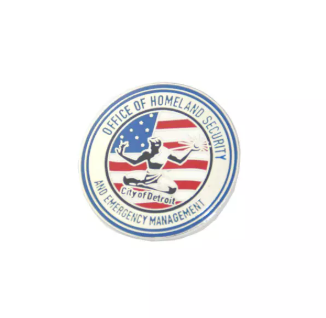
Modern Trends: Lapel Pins in Fashion and Self-Expression
Custom and Personalized Pins
A growing trend in the world of lapel pins is the rise of custom and personalized designs. With advancements in digital design tools such as 3D printing and laser engraving, it's now easier than ever to create one-of-a-kind pins. These custom lapel pins offer a unique way for individuals to express their personalities, affiliations, or commemorate special events.
From personal milestones to professional achievements, custom pins allow individuals and businesses alike to create something truly unique. The availability of personalized lapel pins has made them a popular choice for special events, branding purposes, or as gifts that carry sentimental value.
Explore Huisui International Industrial Ltd. for high‑quality, customizable lapel pins that perfectly represent your brand.
Lapel Pins as Fashion Accessories
In recent years, lapel pins have firmly established themselves as fashionable accessories, particularly among celebrities and influencers. These accessories can transform a simple outfit into something more unique and stylish. Whether it's a sleek, minimalist design or a bold statement piece, lapel pins are used to add personality and flair to clothing.
Fashion designers and brands have embraced lapel pins as part of their seasonal collections, incorporating them into both casual and formal outfits. The versatility of lapel pins means that they can complement a wide range of styles, from the sleek, professional look of a business suit to the more eclectic, casual attire seen in streetwear.
For a deeper understanding of the function and usage of lapel pins, check out this detailed article.
The Future of Lapel Pins: Innovations and Evolving Roles
Technological Innovations in Lapel Pin Design
The future of lapel pins looks bright, as new technologies continue to influence their design and production. Innovations such as sustainable materials and 3D printing are expanding the possibilities for custom lapel pins, allowing for more intricate designs and eco-friendly options. The use of augmented reality (AR) and other digital technologies may even transform the way pins are experienced and worn.
As the demand for personalization increases, so does the potential for lapel pins to evolve into interactive, cutting-edge fashion items. These technological advancements ensure that lapel pins remain a relevant and innovative way for individuals to express themselves.
| Technology | Description | Impact on Lapel Pin Design |
| 3D Printing | Allows for intricate, customized designs with minimal cost. | Enables more personalized and detailed designs. |
| Laser Engraving | Uses lasers to etch designs onto pins with high precision. | Facilitates high-quality, fine detail on pins. |
| Sustainable Materials | Eco-friendly materials such as recycled metals or bio-plastics. | Meets growing demand for eco-conscious products. |
| Augmented Reality (AR) | Incorporates AR for interactive experiences with lapel pins. | Could offer virtual interactions, elevating pin designs. |
The Ongoing Symbolism of Lapel Pins in Society
Lapel pins will continue to serve as powerful symbols of personal expression, cultural identity, and social movements. Whether as a sign of support for political causes, environmental campaigns, or individual achievements, lapel pins offer a unique way to communicate values and beliefs. They remain an enduring symbol of loyalty, pride, and unity.
As we move forward, lapel pins will likely play an even larger role in political, social, and cultural contexts, providing a simple yet powerful way for individuals to engage with and express their values.
Conclusion
Lapel pins have evolved from functional items to powerful symbols of identity, pride, and expression. Over the years, they have gained significance in various sectors, including politics, military, fashion, and personal expression. Their enduring adaptability ensures they remain relevant across cultures and generations.
As a tool for personal expression, lapel pins help individuals connect with larger cultural movements. Whether worn as a uniform accessory, a fashion statement, or a political symbol, lapel pins continue to serve as symbols of unity. Their significance will only grow as they evolve to meet the needs of the future.
Lapel pins, offered by Huisui International Industrial Ltd., provide a unique and meaningful way for individuals to showcase their identity. With high-quality, customizable options, their products offer unmatched value in personal expression and branding. For businesses seeking to enhance their identity, Huisui’s offerings present a perfect solution.
FAQ
Q: What are Lapel Pins used for?
A: Lapel pins are worn to symbolize personal identity, support for causes, or social affiliations. They are used in politics, military, fashion, and corporate environments.
Q: Why are Lapel Pins important?
A: Lapel pins carry deep cultural meaning, representing pride, loyalty, and unity. They express personal values and political affiliations, making them powerful symbols.
Q: How can Lapel Pins be customized?
A: Lapel pins can be personalized with unique designs, colors, and logos. Companies like [[Huisui International Industrial Ltd.]] offer custom options to reflect individual or corporate identity.
Q: What do different Lapel Pin designs symbolize?
A: Lapel pins with designs like flags, animals, or flowers symbolize patriotism, strength, peace, and remembrance. They are widely recognized for their cultural significance.
Q: Are Lapel Pins expensive?
A: The cost of lapel pins varies depending on the materials, customization, and quantity. Bulk orders or simpler designs are typically more affordable, while custom and intricate pins may cost more.