Introduction
Have you ever wondered how to design a patch that stands out? A great patch can add personality, style, and function to your clothing or gear.
In this article, we’ll walk through 9 essential tips to design your own patch to perfection. From choosing the right shape and colors to understanding material options, you’ll learn everything needed to create a patch that truly shines.
Understand the Basics of Patch Design
What is a Patch?
A patch is an embroidered or printed design typically made from fabric or another durable material. It can be sewn or ironed onto clothing, bags, or other accessories. Patches serve both decorative and functional purposes, such as branding, identification, or showcasing affiliations.
Types of Patches
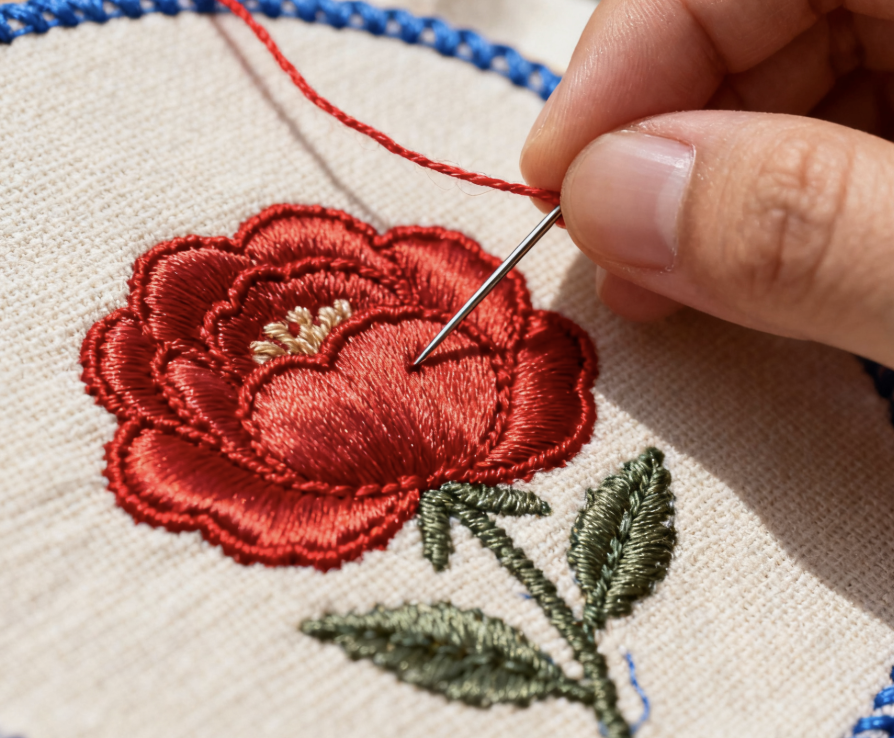
There are two main types of patches: embroidered and printed.
● Embroidered patches are made by stitching designs onto a fabric backing, offering a textured and durable look.
● Printed patches use digital or screen printing techniques, perfect for intricate or full-color designs.
Materials Used for Patches
Choosing the right material is essential to the durability and appearance of your patch. Common materials include:
● Cotton or polyester fabric for a classic embroidered look.
● PVC (polyvinyl chloride) for flexible, waterproof patches.
● Leather for a more rugged and vintage feel.
Understanding your material options will help you make the right choice based on your patch’s purpose.
Type of Patch | Material Used | Best For | Durability |
Embroidered | Cotton, Polyester | Traditional, textured designs | High durability |
Printed | Fabric, Synthetic Material | Detailed, full-color designs | Moderate durability |
PVC | PVC (Polyvinyl Chloride) | Waterproof, flexible designs | Very high durability |
Leather | Leather | Rugged, vintage-style patches | Very high durability |
Tip 1 - Choose the Right Shape and Size
How Shape Impacts Design
The shape of your patch can greatly influence its impact. Traditional shapes like circles, rectangles, and squares are safe bets, but don’t be afraid to experiment with custom shapes. For example, if your patch represents a mountain range, a jagged shape could add an interesting touch.
Size Considerations for Functionality
When designing a patch, consider where it will be placed and its function. Patches on jackets or bags typically range from 2-4 inches in diameter. However, patches meant for uniforms or team gear may require larger sizes to ensure they’re visible from a distance.
Choose a size that is proportional to the placement area on your item. This will enhance visibility and keep your design balanced.
Tip 2 - Color is Key
Selecting the Right Color Palette
Colors play a huge role in the overall design. Select colors that complement your brand or theme. For instance, earthy tones are great for outdoor brands, while bright colors can add energy and vibrancy to fashion patches.
The Power of Contrast
Using contrasting colors can make your patch more eye-catching. For example, white on black or yellow on blue can create a bold, high-contrast effect that enhances readability.
Color Psychology in Patch Design
Color isn’t just about aesthetics; it also conveys emotion. Red is often used for energy, blue for trust, and green for growth. Incorporate these color associations into your design to evoke specific feelings or messages.

Tip 3 - Incorporate Text Effectively
Font Selection for Legibility
When adding text to a patch, opt for a readable font. Avoid overly decorative fonts that may be hard to decipher at smaller sizes. Choose simple, bold fonts that maintain legibility, even from a distance.
Balancing Text and Visual Elements
The text should complement the visual elements rather than overpower them. Avoid overcrowding the patch with too much text. Instead, keep it short and impactful, such as a team name or slogan.
Tip 4 - Simplify the Design for Impact
The Art of Minimalism in Patch Design
In patch design, less is more. Overcomplicated designs can become difficult to recognize and detract from the overall message. Opt for simple, clean lines and few elements for maximum impact.
Iconography vs. Complex Illustrations
Sometimes, simple icons or symbols are more effective than detailed illustrations. For example, a single star or shield can convey a lot of meaning without overcrowding the design.
Keep your design simple to ensure it remains clear and memorable, even when viewed at smaller sizes.
Tip 5 - Choose the Right Patch Border
How Borders Enhance the Patch Design
Borders can frame the patch, giving it structure and emphasizing the central design. The type of border you choose, such as merrowed or laser-cut, can add texture or depth.
Different Border Types
● Merrowed Borders are the most common and feature a neatly stitched edge.
● Laser-cut Borders offer a modern, clean finish, perfect for more intricate designs.
Tip 6 - Think About Placement and Functionality
The Best Placement for Visibility
Consider where the patch will be placed on clothing or gear. Patches on jackets and bags should be positioned so they are visible and easily identifiable. For example, placing a patch on the shoulder or chest area enhances visibility.
Practical Considerations
If the patch needs to serve a functional purpose, such as a name tag or rank identifier, ensure it is placed in an easily accessible and visible spot.
Tip 7 - Incorporate a Unique Touch
Adding Customization for Personalization
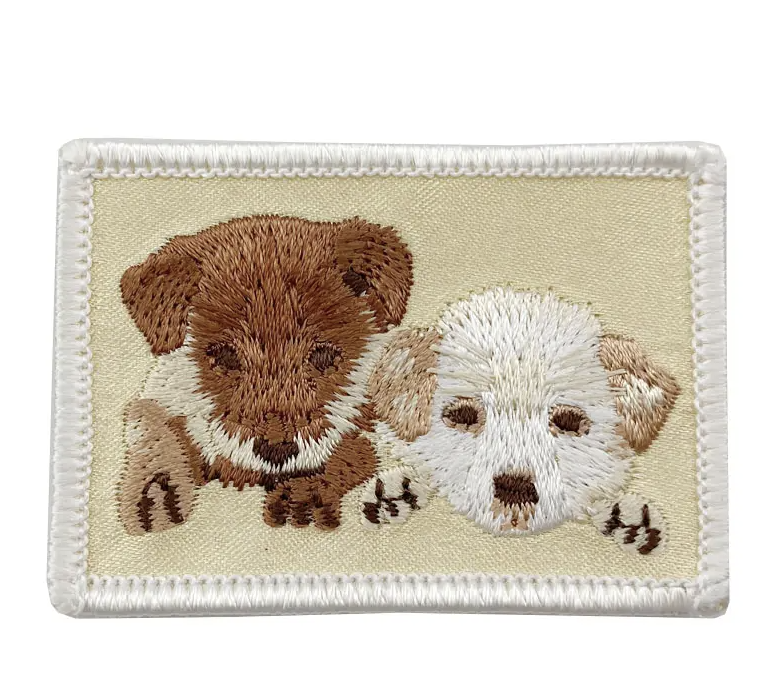
Incorporate personalized elements into your patch, such as initials, logos, or special symbols. This adds a unique touch that can set your patch apart from others.
Innovation in Patch Design
Take your patch design further by experimenting with innovative materials (e.g., reflective threads, 3D elements) or special finishes like glow-in-the-dark effects.
Tip 8 - Quality Control and Testing
Prototype and Feedback
Before finalizing your patch, create a prototype and gather feedback from others. This helps identify potential issues in design, size, or color before mass production.
Materials and Durability Testing
Ensure your patch material is durable enough to withstand the conditions it will be exposed to. Test the material for wear and tear, weather resistance, and washability if necessary.
Tip 9 - Production and Choosing the Right Manufacturer
Selecting the Right Manufacturer for Your Patches
Choose a reliable manufacturer that aligns with your design needs and quality standards. Look for one that offers flexibility in production runs and can provide a good balance between cost and quality.
Understanding Production Costs
Factors that affect the cost of patch production include size, material, design complexity, and production volume. Get quotes from multiple suppliers and ensure the manufacturer you choose offers good value for money.
Factor | Description | Impact on Cost |
Patch Size | Larger patches require more material | Increases cost |
Material Choice | Premium materials like leather cost more | Increases cost |
Design Complexity | Intricate or detailed designs cost more | Increases cost |
Production Volume | Small orders have higher unit costs | Decreases cost |
Conclusion
Designing the perfect patch requires careful attention to detail, from choosing the right shape and color to selecting the appropriate materials. By following the 9 tips provided, you can create a patch that stands out and serves its purpose effectively. Whether you're designing for personal or business use, the right patch can make all the difference.
If you're looking for high-quality patches, Huisui International Industrial ltd offers premium products tailored to meet your design needs, ensuring your patch stands the test of time. Their exceptional craftsmanship and attention to detail will help you achieve the perfect patch every time.
FAQ
Q: What makes a patch design stand out?
A: A patch design stands out when it combines the right size, shape, and color contrast. Simplicity and uniqueness also play key roles in making it memorable and impactful.
Q: How can I choose the right material for my patch?
A: The material you choose depends on your patch's purpose. For durability and texture, embroidery works well, while PVC is ideal for waterproof patches. Consider the intended use when selecting your material.
Q: Why is color important in patch design?
A: Color helps convey emotion and can make your patch more recognizable. Bold, contrasting colors enhance visibility, while softer tones can give a more subtle look.
Q: How do I decide the perfect size for my patch?
A: The size of your patch depends on where it will be placed. For visible areas like jackets, a medium-sized patch is ideal, while smaller patches suit more subtle placements, like on hats or sleeves.
Q: What should I consider when adding text to my patch design?
A: Text should be clear and legible. Choose simple fonts that enhance readability. Keep the text minimal to avoid overcrowding the design and to maintain balance.
Q: How much does it cost to design a custom patch?
A: The cost of designing a patch depends on factors such as size, complexity, material, and order quantity. Custom patches generally range from a few dollars to higher costs for intricate designs.
Q: Can I add custom elements to my patch design?
A: Yes, incorporating custom elements like initials, logos, or 3D details can make your patch unique and personal, enhancing its appeal and meaning.
Q: How do I ensure the durability of my patch?
A: To ensure durability, select high-quality materials and work with a manufacturer who tests for wear and tear. Proper stitching or heat sealing will also enhance the longevity of your patch.