1. Introduction
Did you know that pin styles vary greatly in both function and design? From decorative lapel pins to industrial fasteners, the options are endless.
In this article, we’ll explore the different pin styles, their uses, and how to select the best one for your needs. You'll learn about the materials, applications, and finishes that make each pin unique.
2. Types of Pins and Their Functions
Pins serve a broad range of purposes. From decorative items in fashion to industrial components, each pin style is designed with a specific function in mind. Understanding these functions is crucial in selecting the right type of pin for your needs.
Type of Pin | Description | Common Uses |
Decorative Pins | Pins designed for fashion and promotional purposes. | Lapel pins, enamel pins, collectible pins. |
Fastening Pins | Pins used to secure parts or components together. | Cotter pins, split pins, locking pins. |
Connector Pins | Pins used in electrical systems for secure connections. | Circuit board connections, terminals. |
Specialty Pins | Pins used in office or household settings. | Push pins, map pins, drawing pins. |
2.1. Decorative Pins
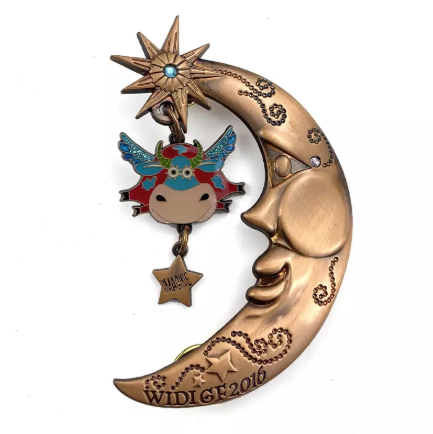
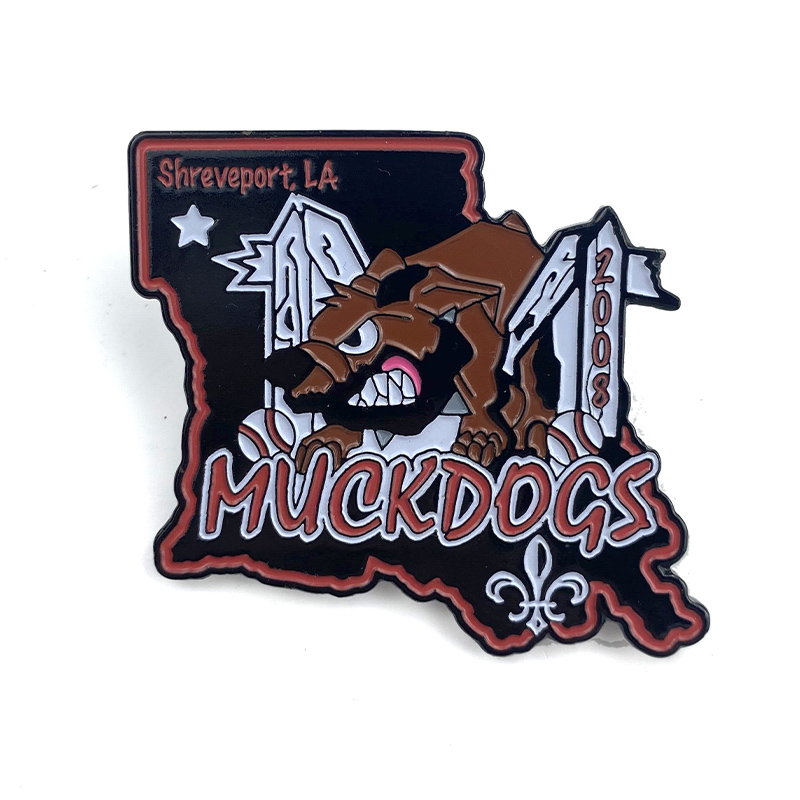
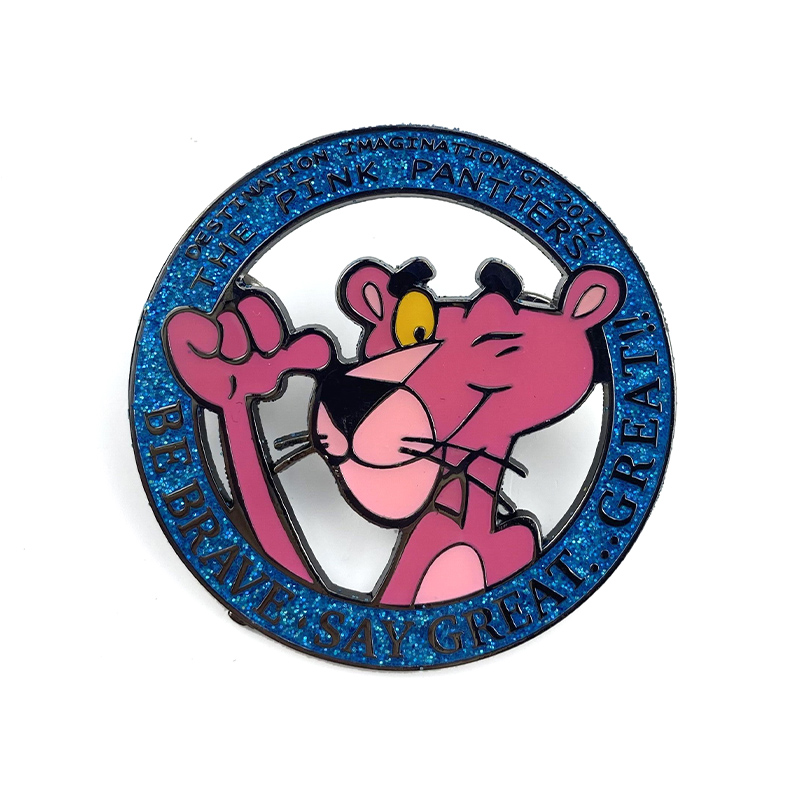
Decorative pins are widely used in fashion, branding, and promotional events. They are often customized with logos, slogans, or images and are popular as lapel pins, enamel pins, and collectible items.
These pins add personality and style to uniforms, accessories, or event giveaways. They come in a range of finishes, such as polished gold or matte, depending on the desired look.
Tip: For a memorable promotional giveaway, consider using enamel pins with vibrant colors and intricate designs. These pins not only capture attention but also serve as lasting keepsakes.
2.2. Fastening Pins
Fastening pins are essential in mechanical and industrial applications. They are used to securely join parts together, ensuring proper alignment and safety. Common types include cotter pins, split pins, and locking pins.
These pins are often made from strong materials like steel or stainless steel to handle mechanical stresses. They are typically used in automotive, construction, and machinery sectors, where the integrity of connections is paramount.
2.3. Connector Pins
Connector pins are commonly used in electrical applications, providing a reliable connection between components. These pins are made from conductive materials such as brass or stainless steel to ensure the smooth flow of electricity.
They are used in a wide range of products, including circuit boards, terminals, and electrical connectors, where secure and consistent connectivity is vital.
2.4. Specialty Pins for Office and Household Use
In everyday life, pins serve a variety of functions. Paper pins, such as push pins, drawing pins, and map pins, are small but incredibly useful tools for organizing and displaying items. They are typically used in offices, schools, or at home.
These lightweight pins are perfect for pinning notes, reminders, or artwork to boards and walls. Despite their simplicity, they play a significant role in maintaining order and communication.
3. Materials Used in Pin Manufacturing
The material of a pin is essential for its durability, strength, and function. The right material ensures that the pin performs well in its intended environment, whether it's holding mechanical parts together or acting as a decorative accessory.
Material | Characteristics | Common Applications |
Steel | Strong, inexpensive, commonly used for general purposes. | Automotive, construction, machinery. |
Stainless Steel | Corrosion-resistant, durable in harsh environments. | Food processing, medical, marine industries. |
Brass | Machinable, corrosion-resistant, conducts electricity. | Electrical systems, connectors, fittings. |
Nylon/Plastic | Lightweight, non-conductive, ideal for delicate environments. | Consumer electronics, delicate machinery. |
3.1. Steel Pins
Steel pins are one of the most common materials used for manufacturing pins. They are strong, inexpensive, and ideal for general purposes. Steel pins are frequently used in mechanical applications where durability and load-bearing capacity are crucial.
These pins are particularly popular in automotive and construction industries, where high tensile strength is needed to withstand wear and tear.
3.2. Stainless Steel Pins
Stainless steel pins are a step up from regular steel pins due to their resistance to corrosion. This makes them ideal for use in harsh environments, such as outdoor applications or industries dealing with chemicals or moisture.
Stainless steel pins are often used in food processing, medical, and marine industries, where corrosion resistance is vital.
3.3. Brass Pins
Brass pins are known for their machinability, resistance to corrosion, and conductivity. They are widely used in electrical systems and fittings, where conductivity is a critical factor.
Brass is particularly useful in the electronics industry, as it ensures reliable performance in electrical connections and prevents signal interruptions.
3.4. Nylon/Plastic Pins
Nylon and plastic pins are lightweight and often used in delicate environments. These pins are perfect for applications where metal pins might cause damage, such as in electrical or sensitive machinery.
They are often used in consumer electronics, where they ensure smooth and safe operation without the risk of electrical shorts.
4. Pin Styles for Specific Applications
Choosing the right pin style depends heavily on the application and the environment in which the pin will be used. Whether you need a pin for a fashion accessory, a mechanical assembly, or a quick-release system, there is a pin style tailored for your needs.
4.1. Mechanical and Industrial Pin Styles
For industrial and mechanical applications, pins like dowel pins, groove pins, and taper pins provide essential functions such as alignment, retention, and securing rotating parts.
These pins are often produced from strong metals such as steel or stainless steel to handle high-pressure environments and long-term use. They are commonly used in machinery, automotive, and construction applications.
4.2. Lock Pins
Lock pins are designed for applications where quick and secure locking and unlocking are necessary. These pins are commonly used in fast-operating environments such as trailers, agricultural machinery, and aircraft.
Ball lock pins, lynch pins, and wire lock pins are all examples of lock pins that provide secure attachment while allowing for fast and easy removal when required.
4.3. Custom Pins for Branding and Design
Custom pins, such as lapel pins and commemorative pins, allow businesses and organizations to add a personalized touch to their branding. These pins are often designed with unique logos, colors, and messages to reflect the brand's identity or to commemorate a specific event.
For high-end designs, custom pins can be made with premium materials such as high-polish gold or silver plating to enhance the overall aesthetic.
5. How to Choose the Right Pin Style
Selecting the right pin style for your needs involves considering a variety of factors, from the pin's function to its material and aesthetic appeal. This section will guide you through the key considerations in choosing the perfect pin for your project.
5.1. Consider the Application
First, determine the purpose of the pin. Are you using it for decoration, fastening, or connection? Understanding the application will help you narrow down the options and choose the most appropriate style.
For decorative purposes, enamel pins or lapel pins may be best, while for industrial use, mechanical or locking pins will be more suitable.
5.2. Evaluate Material and Durability
Consider the material of the pin based on its expected wear and tear. For high-stress environments, such as mechanical or electrical applications, opt for durable materials like stainless steel or brass. For lightweight or decorative uses, softer materials like enamel and plastic may suffice.
5.3. Aesthetic Preferences
If the pin is meant for promotional or fashion purposes, aesthetics play a key role in your decision. Select a pin style that complements your design preferences, such as polished finishes for premium designs or matte finishes for a modern, minimalist look.
6. Understanding Pin Plating and Finishes
The plating and finish of a pin significantly impact its appearance and functionality. Choosing the right plating can elevate the design, making it more suitable for specific purposes or enhancing its overall appeal.
6.1. High-Polish Gold and Silver Plating
Gold and silver plating add a luxurious, high-end look to pins. These finishes are perfect for commemorative pins, awards, or premium designs. The reflective surface of high-polish plating enhances vibrant colors and intricate details in soft and hard enamel pins.
6.2. Antique and Matte Plating
Antique gold, silver, and copper plating provide a vintage, weathered look. These finishes are ideal for historical or vintage-themed designs. The muted tones of antique finishes highlight fine details, making them excellent for die-struck pins with intricate artwork.
6.3. Modern and Bold Finishes
Black nickel and dual-plating options are perfect for bold, high-contrast designs. These finishes are often used for modern, edgy designs, such as pins for tech companies or promotional products targeting younger demographics.
7. Practical Tips for Pin Care and Maintenance
To ensure your pins last a long time and remain in pristine condition, it's important to care for them properly. This section provides practical tips for maintaining the longevity of your pins.
7.1. Cleaning and Polishing
For metal pins, use a soft cloth and non-abrasive cleaner to gently remove dirt and oils. Avoid using harsh chemicals that could damage the plating.
7.2. Storage and Display
Store your pins in a dry, cool place to prevent tarnishing or damage. Displaying them in shadow boxes or on pin boards can protect them from dust and environmental factors.
7.3. Handling and Wear
Handle pins carefully to avoid scratching or bending the metal. When wearing pins on clothing, ensure they are securely fastened to avoid accidental loss.
8.Conclusion
This guide covered the various types of pins, from decorative to industrial, and how to choose the right one based on material, function, and design. Understanding pin styles ensures you select the best option for your needs.
For those looking to acquire high-quality pins, Huisui International Industrial ltd offers a range of durable and customizable pin products that provide great value, ensuring your needs are met with precision and quality.
FAQ
Q: What are the different types of pins?
A: Pins come in various types, such as decorative pins for fashion, fastening pins for mechanical purposes, and connector pins for electrical applications. Each type serves a specific function.
Q: How do I choose the right pin style?
A: Consider the pin's purpose, material, and design. Decorative pins are ideal for fashion, while mechanical and industrial pins need durability and strength for specific functions.
Q: Why is material important in pin selection?
A: The material of a pin affects its durability and suitability for its application. For example, stainless steel pins are great for corrosion resistance, while brass pins are used for conductivity in electrical systems.
Q: How do I care for my pins?
A: Clean pins gently with a soft cloth and store them in a dry place to avoid damage. Regularly polishing them ensures they maintain their appearance over time.
Q: Can I use decorative pins for industrial purposes?
A: Decorative pins are generally not suitable for industrial applications. They are made for aesthetics and may not withstand the mechanical stresses required in such environments.