1. Introduction
Keychains have been popular for decades and are a staple in the promotional products industry. Whether you want to design keychains as personalized gifts, fashion accessories, or collectibles, this niche market offers endless possibilities. Starting a keychain business requires creativity, a solid plan, and the ability to navigate the complexities of product design, manufacturing, and marketing.
2. Conduct Market Research and Niche Selection
2.1. Understanding the Keychain Market
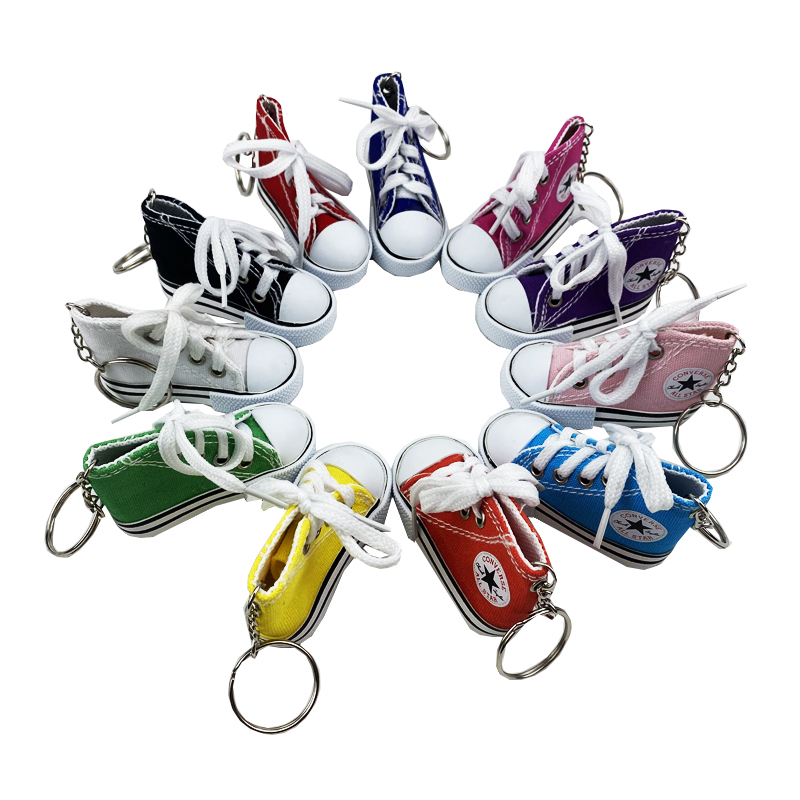
Before you start designing keychains, it’s important to understand the market you’re entering. Keychains are widely used in various sectors, including fashion, corporate giveaways, and collectibles. A keychain can be a simple, functional product or a personalized piece of art that resonates with customers.
● Popular Trends: Explore current trends in keychain designs. Platforms like Etsy and Pinterest can help you stay on top of popular designs such as minimalistic keychains, custom engraved options, and character-themed keychains.
● Target Audience: Identify who will be buying your keychains. Are you targeting businesses for promotional purposes, individuals for personal use, or collectors seeking unique pieces? Your target audience will guide your designs, materials, and marketing efforts.
2.2. Finding Your Niche
The keychain market is broad, and finding a niche can set you apart from competitors. Whether it’s creating keychains for a specific hobby, profession, or pop culture fandom, your niche will help define your brand and attract customers.
● Underserved Niches: Look for niches that aren’t oversaturated with competition. For example, creating keychains for niche hobbies like gaming, astrology, or local tourism can help you stand out.
● Competitor Research: Study what other businesses are offering in the keychain space. Analyze their product designs, pricing strategies, and customer reviews to identify gaps you can fill.
2.3. Estimating Startup Costs
Before launching your keychain business, it's essential to understand your startup costs. These costs will include equipment, materials, marketing, and legal fees.
● Equipment: Depending on the scale of your operation, you may need tools like a laser cutter, vinyl cutters, or molds for resin keychains.
● Materials: Factor in the cost of keychain blanks (wood, acrylic, metal), hardware, and any custom materials you plan to use.
● Business Expenses: Don’t forget to budget for business registration, insurance, and marketing costs.
3. Establish Your Legal Structure and Get Licensed
3.1. Choosing a Business Structure
One of the first steps in starting a keychain business is deciding on your business structure. This decision will affect your taxes, liability, and the paperwork required to run your business.
● Sole Proprietorship: This is the simplest form of business ownership. It’s easy to set up and manage, but you are personally responsible for any debts or liabilities.
● Limited Liability Company (LLC): An LLC provides personal liability protection, separating your personal assets from your business assets. It’s more complex than a sole proprietorship but offers better protection.
3.2. Obtaining Permits and Licenses
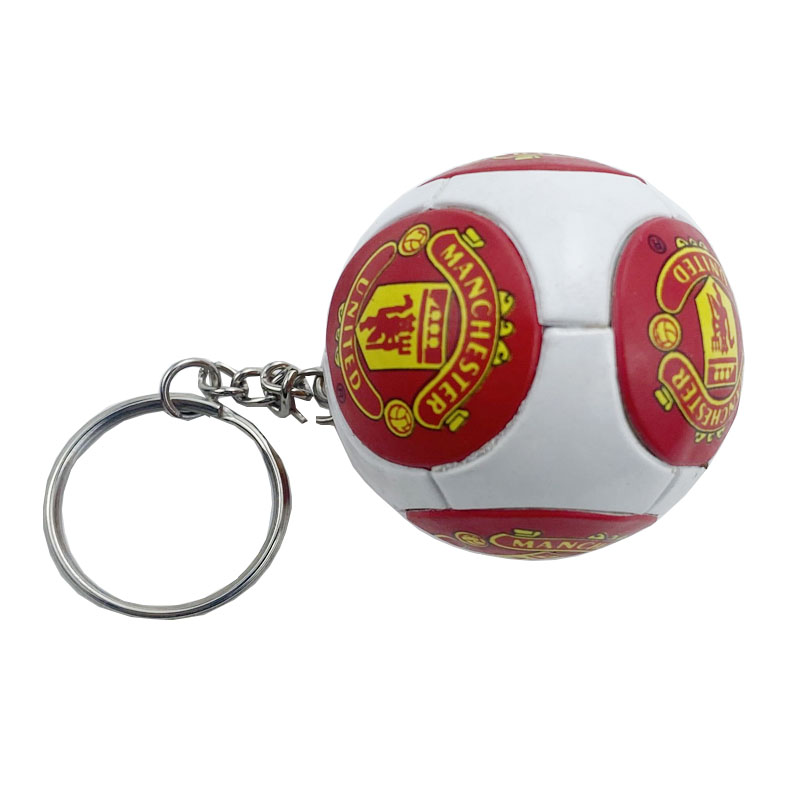
To operate legally, you may need to obtain certain permits or licenses depending on your location.
● Business License: Check with your local government to see if you need a general business license. This is often required for any business operating within a city or county.
● Seller’s Permit: If you plan to sell products in your state, you may need a seller’s permit to collect sales tax.
3.3. Understanding Taxes and Insurance
● Tax ID: If you form an LLC or a corporation, you’ll need an Employer Identification Number (EIN) for tax purposes.
● Insurance: General liability and product liability insurance are important for protecting your business from unforeseen circumstances such as damaged products or customer complaints.
4. Setting Up Your Workspace and Buying Equipment
4.1. Selecting a Location
Many keychain businesses start from home, especially if you’re handling production yourself. A dedicated workspace helps you stay organized and efficient.
● Home-Based Setup: Setting up in your home can reduce overhead costs. Ensure you have enough space for equipment and inventory. Check local zoning laws to ensure you're compliant.
● Renting a Space: If your business grows, you might consider renting a commercial space. Look for affordable locations near suppliers or shipping carriers.
4.2. Sourcing Materials and Suppliers
Sourcing high-quality materials at affordable prices is crucial to maintaining a profitable business.
● Keychain Blanks: Research suppliers who sell keychain blanks made from wood, acrylic, metal, or resin. Many suppliers offer bulk pricing.
● Hardware: You’ll need to purchase keychain rings, clips, or chains. Make sure they match the design of your keychains and provide durability.
4.3. Setting Up Your Finances
Organize your finances to ensure your keychain business is profitable.
● Budgeting: Create a detailed budget that includes startup costs, monthly expenses, and revenue goals. Use tools like QuickBooks or Xero for accounting.
● Payment Systems: Set up a payment processor like PayPal or Stripe for online sales and ensure your checkout process is smooth and secure.
5. Designing Your Keychains
5.1. Choosing Keychain Designs
Your designs are at the heart of your keychain business. Focus on creating products that appeal to your target market and reflect your brand.
● Popular Designs: Consider creating custom designs that reflect current trends, such as motivational quotes, animals, or famous pop culture references.
● Personalized Options: Offering personalized engraving or customizable designs can make your keychains more appealing to customers.
5.2. Prototyping
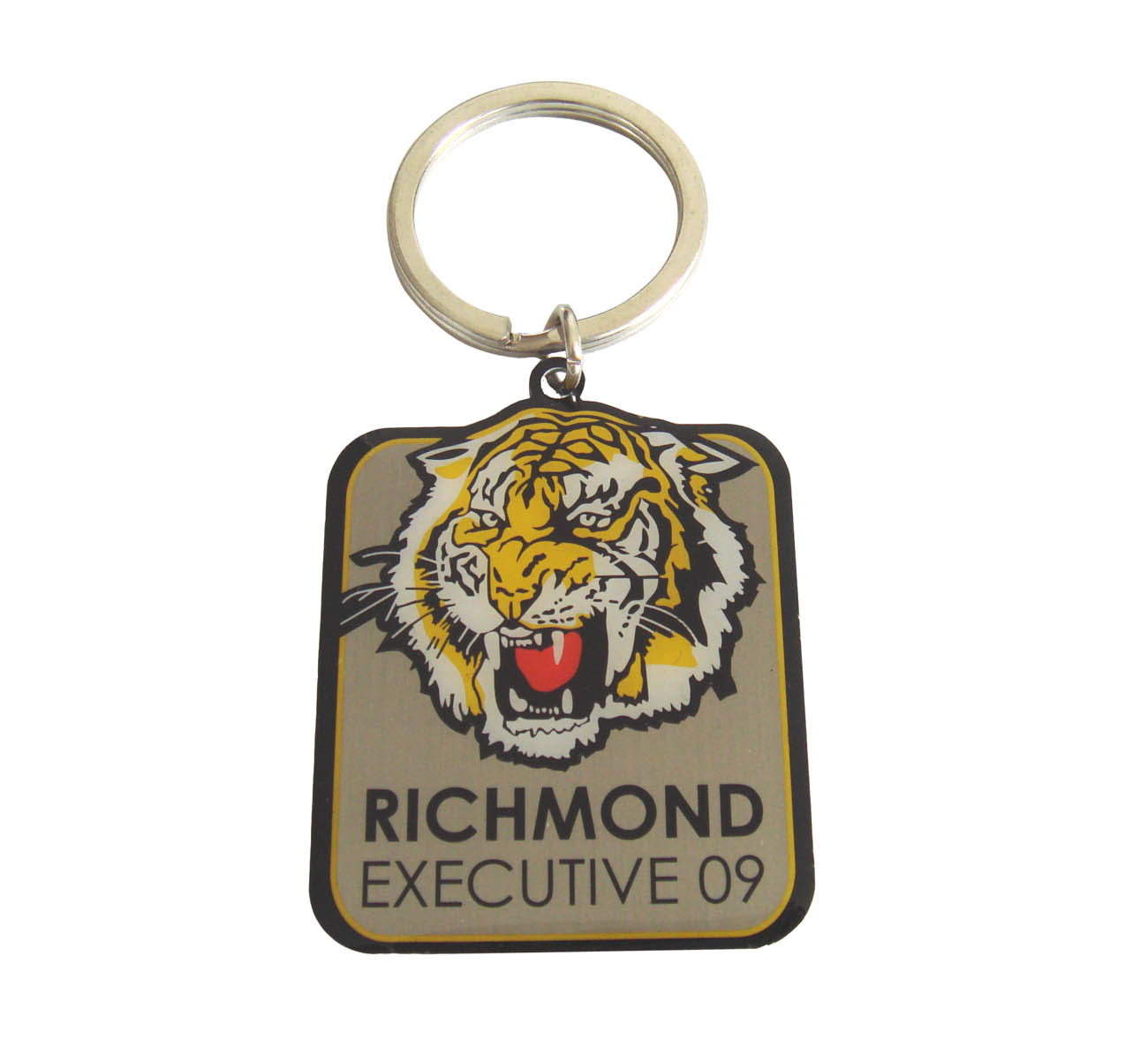
Before mass production, it’s essential to create prototypes to test your designs.
● Create Samples: Order a few keychains from your manufacturer to ensure the design and materials meet your expectations.
● Feedback: Gather feedback from friends, family, or a small test group of customers. Adjust the designs based on their input.
5.3. Personalization Options
Personalized keychains are a popular choice for customers looking for unique gifts. Offering customization options can boost sales.
● Customization: Allow customers to add names, dates, or special messages to the keychains. This is ideal for events like weddings or corporate gifts.
6. Marketing and Selling Your Keychains
6.1. Building Your Online Presence
An online presence is crucial to promoting and selling your keychains.
● Etsy or Shopify: These platforms are ideal for selling handmade products like keychains. Setting up an Etsy shop or your own website through Shopify is relatively easy.
● Social Media Marketing: Platforms like Instagram, Pinterest, and TikTok are great for showcasing your designs. Share high-quality images and videos of your keychains in use.
6.2. Running Promotions
Promotions are an effective way to attract customers and increase sales.
● Discounts: Offer limited-time discounts to encourage people to purchase. For example, offer a 10% discount for first-time buyers.
● Giveaways: Host giveaways on social media to build excitement around your brand and attract new followers.
6.3. Expanding Your Reach
As your business grows, it’s important to diversify your marketing efforts.
● Collaborations: Partner with influencers or other businesses in your niche to promote your keychains.
● Craft Fairs and Events: Selling at local craft fairs and events can help you reach a wider audience and interact with customers face-to-face.
7. Pricing Your Keychains for Profit
7.1. Calculating Costs
To ensure profitability, it’s essential to calculate all the costs involved in producing a keychain.
7.2. Setting Profit Margins
Determine the markup that will allow you to cover costs and make a profit.
● Markup Strategy: A standard pricing strategy is to mark up your cost by 2-3 times. For example, if your keychain costs $2 to make, you could sell it for $6-8.
8. Managing Operations and Scaling Your Business
8.1. Order Fulfillment and Shipping
Efficient order fulfillment is key to customer satisfaction.
● Shipping: Choose reliable shipping services and offer various shipping options, including express delivery for customers in a rush.
● Packaging: Invest in attractive packaging to enhance the unboxing experience and protect your products during transit.
8.2. Scaling Your Production
As your business grows, scaling your production becomes necessary.
● Outsourcing: Consider outsourcing production to keep up with demand or buying equipment to automate parts of the production process.
● Hiring: Hire employees or contractors to help with manufacturing, packaging, or customer service as your business expands.
9. Conclusion
Starting a keychain business involves market research, product design, and effective marketing strategies. You’ll need to establish your business structure, choose the right materials, and set competitive prices. For those looking for high-quality keychain manufacturing, Huisui International Industrial ltd offers customizable keychains, ensuring durability and design flexibility to support your growing business.
FAQ
Q: What is the first step in starting a keychain business?
A: The first step is to conduct market research and identify your target audience. This will help you understand what designs and styles of keychains are in demand.
Q: How do I design my keychains?
A: Use design software like Adobe Illustrator or Canva to create your keychain designs. Keep it simple and focus on creating attractive and functional keychains.
Q: How do I price my keychains?
A: Consider your production costs, including materials and labor, then apply a reasonable markup. Research competitors' prices to ensure you stay competitive in the market.
Q: Can I offer custom keychains for businesses?
A: Yes, offering personalized keychains for businesses is a great way to cater to the corporate market. Custom keychains are popular for promotional giveaways and events.
Q: How do I market my keychain business?
A: Use social media platforms like Instagram and Etsy to showcase your keychains. Engaging content and promotions can help attract more customers to your store.